Written by the people who machine the rotors and calibrate the meters. Technology comparisons, selection guides and field notes — no marketing filler.
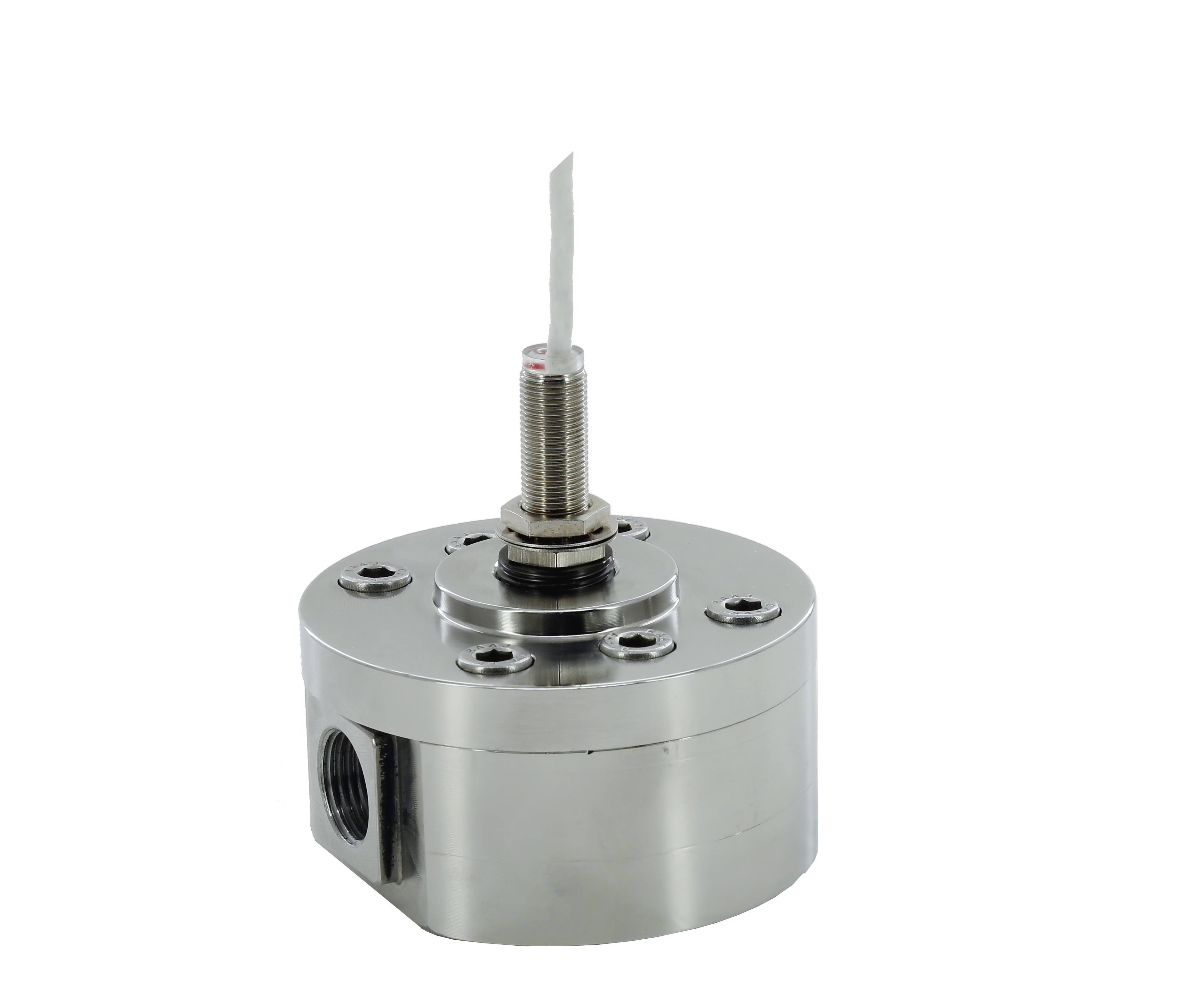
Flow sensors are graded by the volume they have to read, not by the industry they sit in. Here is how the micro, mini and major ranges divide up, and where each one belongs.
Power options, compensation, and every output a control system might ask for — what actually separates a digital meter from the mechanical one it replaces.

Two oval gear meters, one on the supply line and one on the return, and the difference between them is what an engine actually burned. Over 30,000 installations later, here is how it works.

Both give you mass rather than volume, but they get there by completely different routes — and that difference decides accuracy, cost and what fluids you can put through them.
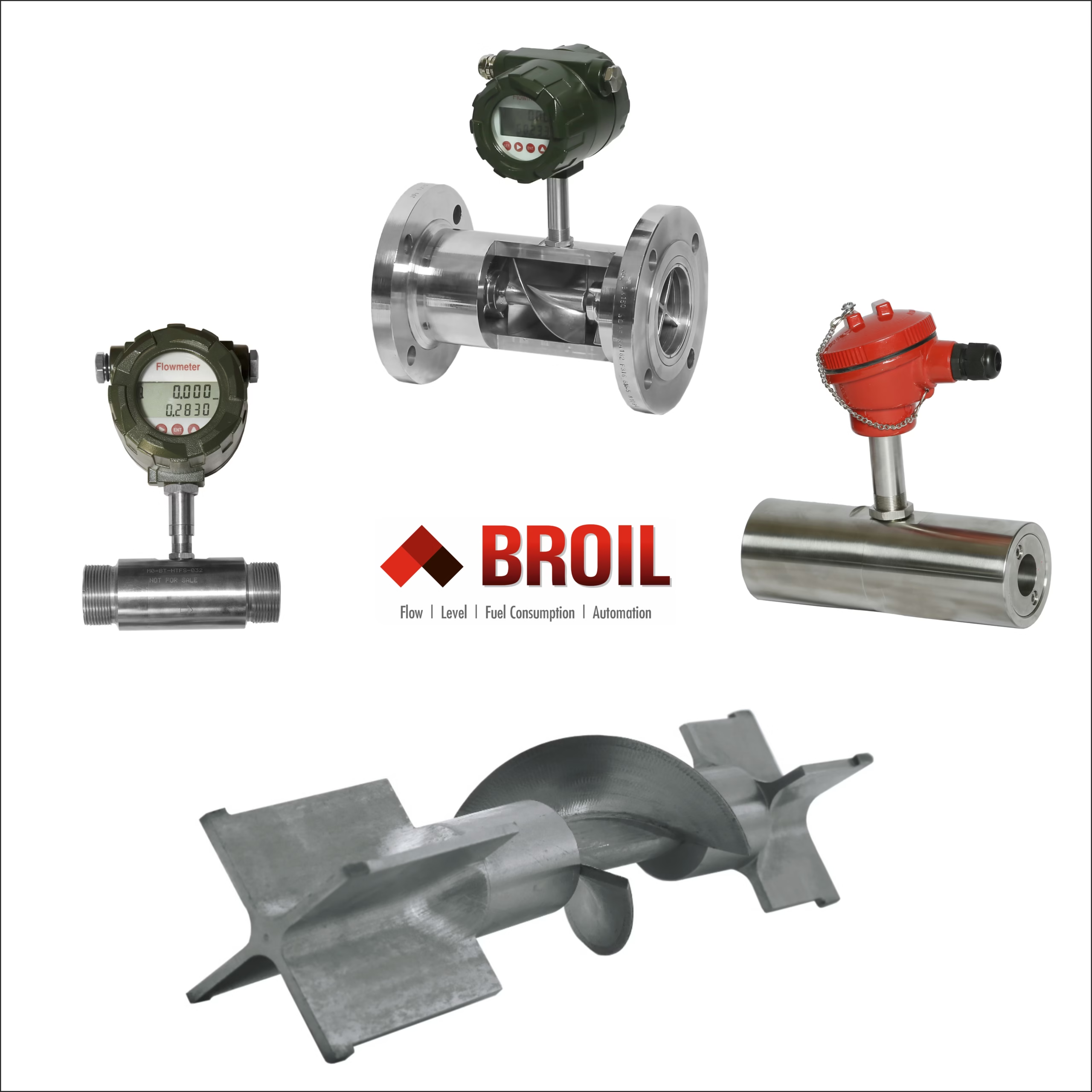
Almost every flow meter falls into one of two families. Getting this choice right at the start saves far more than picking a slightly better meter within the wrong one.

Ten technologies, what each one is actually doing inside the pipe, where each belongs, and the honest limitations of all of them.
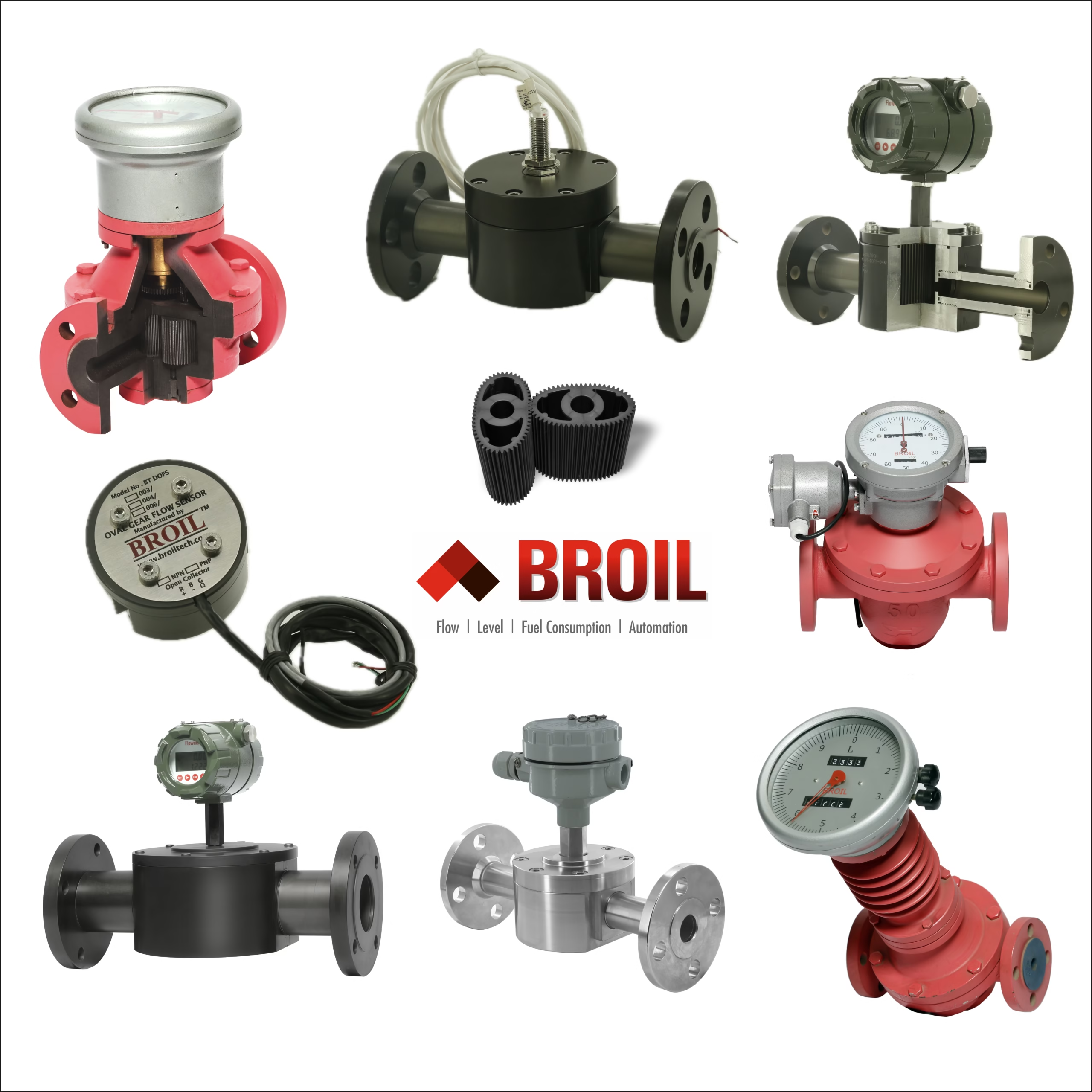
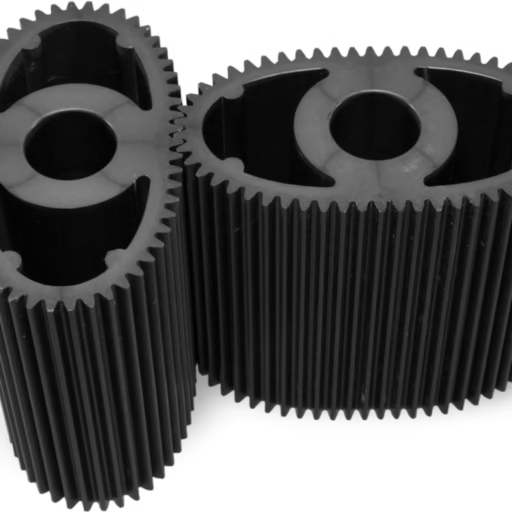
Two interlocking rotors, a fixed volume per turn, and a pulse you can send anywhere. The reason this design has not been improved on for OEM fuel and oil duty.
Ownership, funding and how both shape what the company chooses to build.
Send us the medium, line size and conditions. An engineer will tell you which principle fits — even if the answer is that you do not need a new meter.
